het Glazen Huis

Park Studio (Orangerie)

Rietveld paviljoen

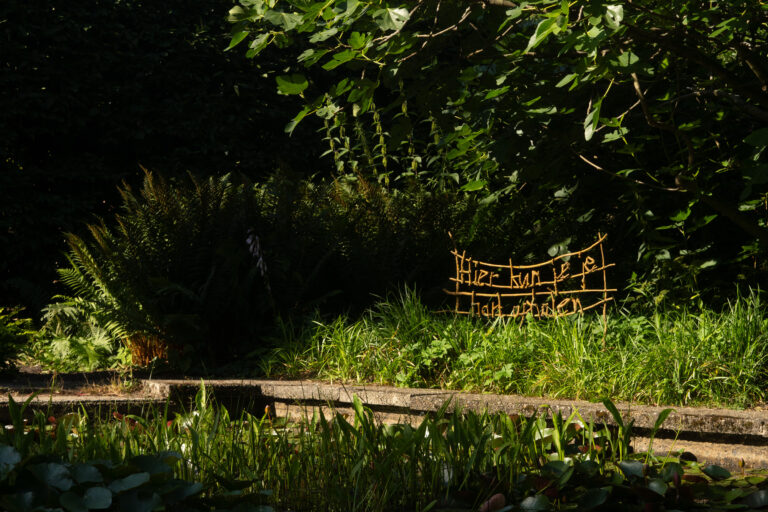
SchaduwTuin

Extreme Salad World

Four audio plays on location tell the history of Amstelpark from the perspective of the plant inhabitants. Take a seat, scan the QR code and listen to their stories.


In The Last Human you are the main
character in a possible future, surrounded by more-than-human fellow travellers. All you need to do is walk, look around, listen and be a little brave so you can experience the world differently.
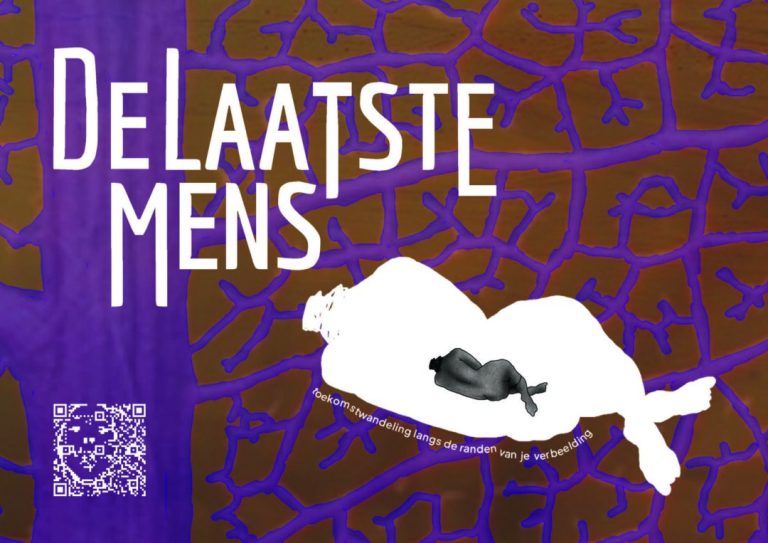

This audio walk connects Amstelpark with Zuidas and gives listeners a new perspective on the controlled urban experience. Put on your headphones, scan the QR code on the poster at the Glass House, and walk to the Zuidas in about 30 minutes.


Walk and discover the magical sounds of trees and plants in the park that we normally cannot hear. Secret Garden subtly changes your experience of Amstelpark. Scan the QR code with your phone, put on your headphones and start the walk. There is no specific starting point.


A rhizotron is simultaneously a laboratory, an architectural expression and a technical tool used to observe the living space below the soil’s surface, the rhizosphere, where roots interact with micro-organisms.


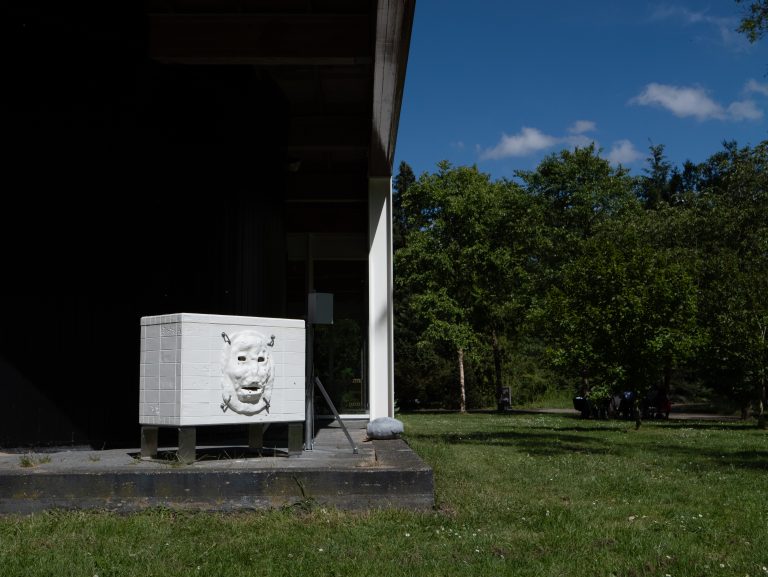
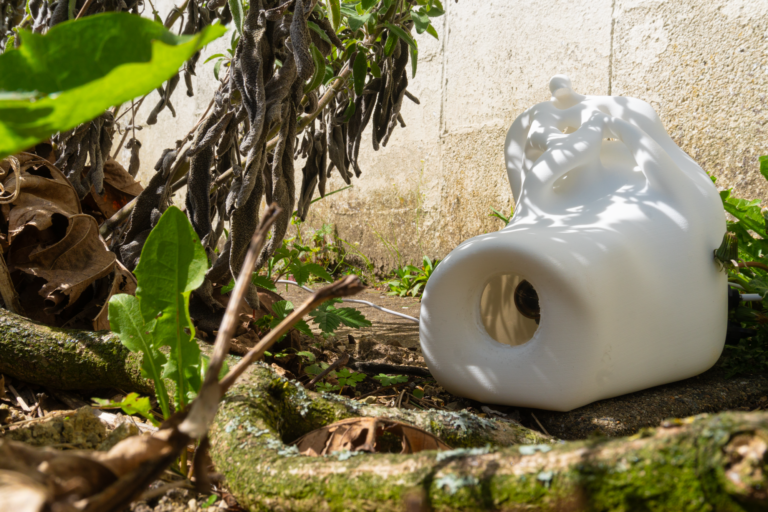
A white porcelain beehive with a mask, through which bees fly in and out of the mouth, stands behind the Glass House. During an exhibition in summer 2026 the bees took care of the climate conditions of an archive inside the pavilion. The design is based on Bannkörbe, masked bee hives that in the old days offered protection against evil spirits and honey thieves. The honey the bees make is for their own use.

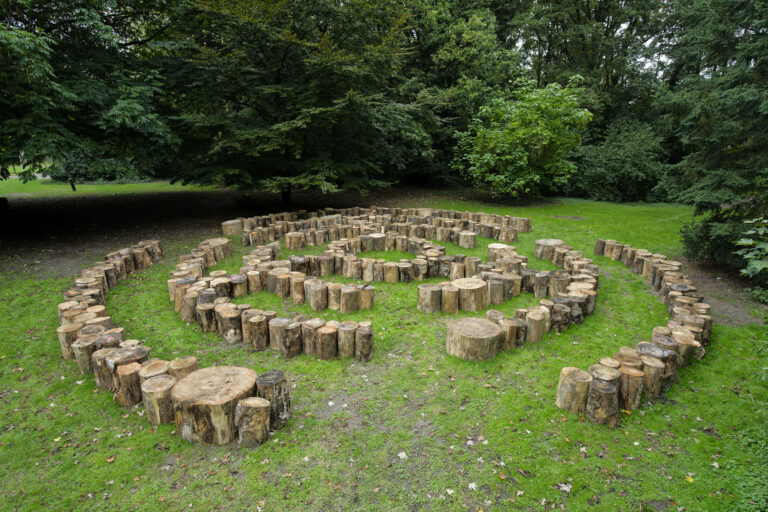
An installation of tree trunks where the first MultiSpecies Assembly took place on October 3, 2025. A case introduced by one of the park’s gardeners, “Can a tree still be a tree?”, was explored through the interest of both human and other-than human beings by 25 participants. The MultiSpecies Assembly is slowly decaying in the park while inviting the gathering of humans and other organisms.

A combination of sculpture, landscape design and experiential art. It encourages the public to explore personal and as of yet unknown rituals in relation to the surrounding natural elements.


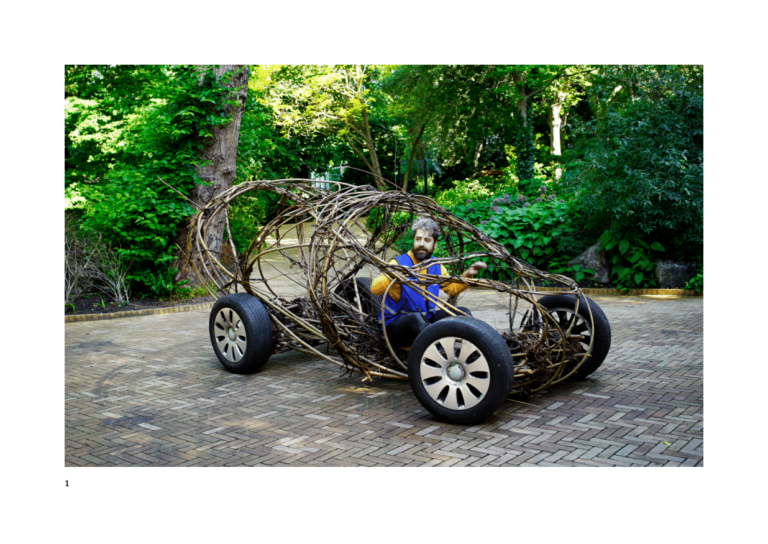
With this project on the (im)possibilities of harmless design, Thomas Thwaites examined, during an exhibition in the Glass House, the question for whom we design technology, what consequences this has, and for what harm we are willing to take responsibility. The car, woven from willow, is slowly falling apart in the garden in front of the Orangerie.

Scattered around the Rietveld Huis are seating elements in various colours and made of 100% recycled plastic. Their form and function refer to the seventies and the original design of the Floriade.


The objects collected, left in nature after human consumption, now provide a habitat for organisms and exhibit living behaviour. The project, next to the Rietveld Huis, shows how cultural and natural processes can no longer be separated.


The Obxeno Apparatus, situated inside the Shadow Garden, is a sculpture annex observatorium which observes and records during a long time span the extreme slow growth of lichen through a biomorphic computational system that additionally provides a habitat for other local species.
Artist collective De Onkruidenier developed the former Belgian monastery garden since 2021 into an artist garden. Under the theme Future Gardening the collective explores our role in complex ecosystems in the context of climate change. De Onkruidenier see themselves as ‘ecosystem futurists’; through their practice, they develop scenarios to help us adapt to changes in our living environment.
The Shadow Garden comes to life through interactive workshops. Interested to join? You’ll often find the artists from the Onkruidenier at work in the garden on Friday mornings.

In Extreme Salad World as many edible plants as possible are grown on a small plot of urban land which are collectively explored, harvested and eaten. Since spring 2024, it has been run by the artists’ collective Genomic Gastronomy in the former animal enclosure at Amstelpark. During workshops and when the artists are at work (often on Thursday mornings), visitors can sample produce from the garden and engage in conversation about the history and future of food.
The Centre for Genomic Gastronomy is an artist-led think tank, founded in 2010 by Cathrine Kramer and Zack Denfeld. They investigate how organisms and environments are influenced by human food cultures and share their knowledge through lectures, publications, meals and workshop

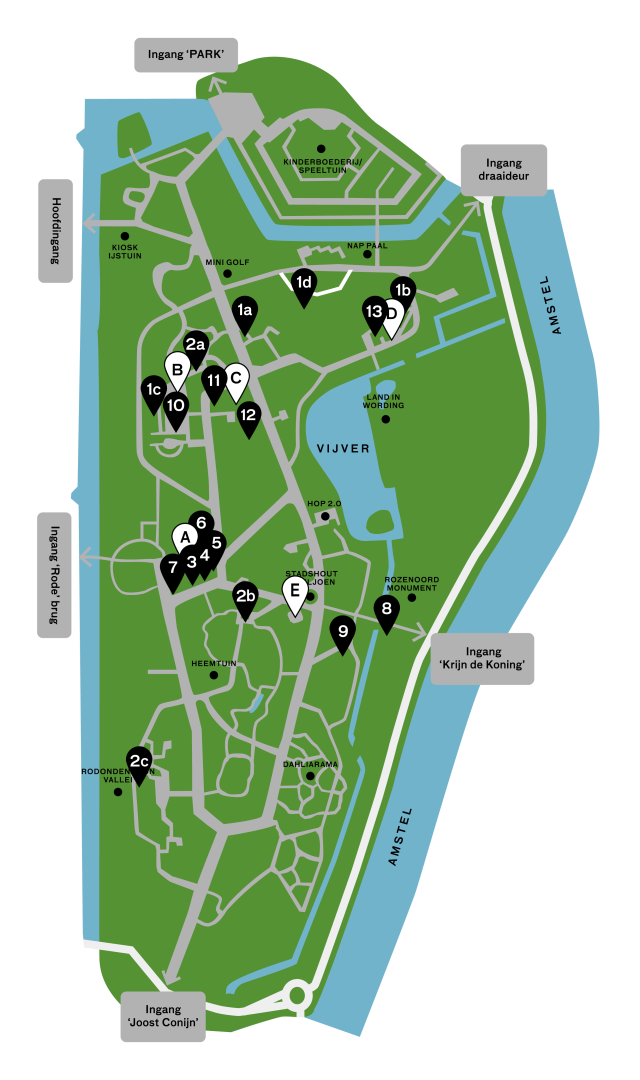
Locations
Het Glazen Huis (exhibitions)
Rietveld Paviljoen (office)
Orangerie (Park Studio)
Exhibitions are open on Friday–Sunday,
1pm-5pm and by appointment.
Outdoor works are accessible daily.
Address
Het Glazen Huis
Amstelpark 7
1083 HZ Amsterdam
info@zone2source.net